October 30, 2026
Cultural Fit and Empathy: Selecting Person-Centered Dementia Care
By @andyopiq034
Business Name: BeeHive Homes of Henderson
Address: 1000 Greenway Rd, Henderson, NV 89002
Phone: (702) 551-0265
BeeHive Homes of Henderson
At BeeHive Homes of Henderson, Nevada, we offer the finest assisted living and memory care experience available in a cozy, comfortable homelike setting. Each of our residents has their own spacious room with an ADA approved bathroom and shower. We prepare and serve delicious home-cooked meals three times a day every day. We maintain a small, friendly community of only 20 residents per home. We provide regular activities that our residents find fun and contribute to their health and well-being. Our staff is attentive and caring and provides assistance with daily activities to our residents in a loving and respectful manner. We would like to invite you to tour and experience our memory care & assisted living home and feel the difference.
1000 Greenway Rd, Henderson, NV 89002
Business Hours
Families frequently begin the search for dementia care with a spreadsheet of features and rates. The list assists, but it can miss out on the felt experience of a place. Culture, not just clinical proficiency, shapes whether a person dealing with dementia feels safe, reputable, and engaged. Culture shows up in the music a caregiver hums while assisting with a shower, the way breakfast is offered, the patience shown when words stall, and the dignity preserved when a resident wishes to wear her favorite cardigan on a hot day because it belonged to her sis. When care lines up with who a person is, the clinical pieces follow more naturally. When it does not, even outstanding healthcare can land as cold or controlling.
Person-centered dementia care begins with that facility. Every option, from staffing to daily routines to how transitions are managed, is arranged around the individual rather than a one-size-fits-all program. Cultural fit sits inside person-centered care, not alongside it. If the culture of a memory care residence or home care team does not match the worths and history of the person, routines will strain, behaviors will intensify, and families will shoulder more tension than they need to.
What person-centered dementia care really looks like
I dealt with a guy who spent his career on a dairy farm. The very first neighborhood his household selected had a smooth lobby and hectic activity calendar. He was miserable. He paced, swore, and attempted to "clock in" at the front desk each early morning. When he moved to a smaller sized house with a raised garden bed and a staff member who had actually matured on a ranch, his agitation visited half within 2 weeks. He started sleeping again. No medication changed. The culture did.
Person-centered dementia care is not about indulging every impulse. It is organized, but versatile. It gives structure to the day, decreases choice tiredness, and uses options that map to longstanding choices. It deals with behaviors as interaction, not issues to stop. It balances safety with autonomy. It likewise recognizes that individuals with dementia are still becoming. Even with memory loss, they react to brand-new relationships, rhythms, and sensory cues. Care needs to leave space for that growth.
Several threads reliably identify person-centered programs from task-centered ones. Time is protected for unhurried care. Staff know the resident's life story beyond a couple of bullet points. There is continuity of caretakers, specifically throughout mornings and nights when confusion peaks. The physical environment supports orientation with cues at eye level, clear sightlines, shadow-free lighting, and familiar objects from the person's life. Menus and activities seem like home, not a cruise agenda. Households are coached as partners, not treated as visitors.
Culture shows up in small decisions that add up
Culture can sound abstract till you observe concrete choices.
Meals are a good example. In one home, breakfast was plated and served at 7:30 sharp. Locals who liked cereal with chopped bananas were great. A lady who constantly consumed toasted conchas and cinnamon tea for decades hardly touched her food. She lost five pounds in 6 weeks before the team welcomed her daughter to teach the cooking area staff how to prepare pan dulce and chamomile tea with milk. Weight supported. Consumption enhanced due to the fact that the food tasted like her life.
Language and humor likewise carry culture. I have seen a stoic Korean grandfather unwind when a caregiver welcomed him with a bow and an expression his daughter taught the personnel. A retired high school coach lit up when an aide started calling him "Coach," then utilized a white boards to sketch plays throughout early morning exercise. He would grab the marker every time.
Culture includes sensory convenience. Some individuals desire peaceful. Others require music or movement. A resident with innovative dementia who whistled jazz riffs during dinner was not attempting to disrupt others. He was soothing himself. Moving him to a table on the patio, where he could whistle without reprimand, fixed more than any medication could.
Faith traditions, household roles, and regional identities matter. So do identities that have actually not always been honored in health care, consisting of LGBTQ+ elders who have reason to fear discrimination and people of color whose households have navigated bias. A program's policy manual can declare addition. The real test is whether partners are acknowledged during care planning, whether staff know correct pronouns without being remedied two times, and whether hair, skin, and food customs are appreciated without a family needing to advocate daily.
What to watch for on trips and calls
Websites get polished. Trips are curated. The quickest method to comprehend a program's culture is to observe how it behaves when you are not in the sales workplace. Show up early for a scheduled visit and ask to wait near a common area. Enjoy how staff speak to citizens when they are aiding with a transfer or redirecting a repeated question. Search for eye contact, mild touch, and humor. Listen for rushed instructions or corrections provided from throughout the room.
If you ask a concern, see whether the response starts with policy or with the person. When you explain your mother's routine of hiding bread rolls in her sweatshirt pocket, does the team member laugh with recognition and offer concepts that respect her convenience? Or do they quote a rule about food outside the dining room?
Here is a short, practical checklist to anchor those observations without getting lost in marketing claims:
- Ask who will remain in the space during intimate care, and how continuity of caregivers is preserved across weeks, not just shifts.
- Request concrete examples of how the team adjusted meals, activities, or routines to match a resident's culture or life story.
- Inquire about training hours specifically for dementia care, consisting of nonpharmacologic methods to distress, not just general senior care.
- Observe a shift, such as mealtime or shift modification, and note whether residents seem oriented and supported or adrift and waiting.
- Clarify how relative are associated with care preparation and whether staff offer structured training for at-home interactions or respite care weekends.
Five minutes of unstructured observation often informs you more than a pamphlet's adjectives. I have actually altered suggestions after enjoying one resident try to stand during lunch while staff strolled past her 3 times. No one was unkind. They were simply extended beyond capacity.
Staffing, skill mix, and the pace of care
Ratios are not the whole story, but they matter. In memory care settings I trust, daytime staffing typically ranges from one caregiver for 5 to seven locals, with additional assistance during early mornings when bathing and dressing take more time. Nights might adapt to one to 8 or one to 10, depending on the layout and resident mix. Night staffing is generally leaner, often one to twelve, with a nurse on call if not on site. Numbers differ by state and acuity. What matters is whether the group has enough hands and the ideal mix of abilities to keep care unhurried.
Training is the next pillar. Effective programs exceed a single orientation day. I search for a minimum of 12 to 24 hr of initial dementia-specific training and quarterly refreshers that include role-play, de-escalation, and interaction without fight. Staff ought to have the ability to explain why arguing facts with someone who is confabulating rarely works and how to validate feelings while redirecting with function. They must comprehend how neglected pain mimics agitation and how urinary tract infections can present as abrupt confusion.
Watch for how leaders protect time for training instead of "fitting it in" on a double shift. Ask whether on-the-job coaching belongs to the culture. In one residence, the memory care near me lead assistant carried laminated circumstance cards in her pocket and ran five-minute drills during natural stops briefly in the day. That sort of practice shows in the quality of care.
Continuity reduces distress. People with dementia translate the world through patterns. When faces change too often, so does trust. Programs that limit company use and keep a steady core of caregivers see less falls and fewer emergency situation transfers. If turnover is high, a program might have a hard time to provide the culture it markets, no matter how genuine the intentions.
Safety without stripping autonomy
Safety matters. Wandering risk, swallowing problems, and fall dangers can turn regular minutes into crises. The mistake is treating safety as the only value. When we secure an individual so thoroughly that they never get to pick, we shrink their world. The art lies in designing guardrails that protect dignity.
Consider doors. Locking a memory care area can reduce elopement threat, but it can likewise seem like a cage if movement inside is limited and outside access is uncommon. Some communities use interior walking loops with meaningful destinations and unlock secure courtyards throughout the day. Staff accompany citizens on perimeter strolls after lunch when uneasyness peaks. Sensing unit innovation, like discreet door signals or wearable trackers, adds a layer of security without public shaming.
Meals present similar compromises. A person with advanced dementia who insists on eating rapidly may aspirate without cueing. Putting a quick eater at a table near personnel, using smaller utensil parts, and introducing quick stops briefly with a sip of thickened liquid maintains independence much better than enforcing spoon feeding from the start. If somebody pockets food, you can change textures, offer finger foods, and keep a close eye without infantilizing them.
Medications should have analysis. Antipsychotics can calm extreme aggressiveness, however they bring real dangers, consisting of increased death. In programs that purchase nonpharmacologic strategies, I see antipsychotic use under 10 percent for locals without a psychotic disorder. When rates are greater, I ask why. There are cases where medication brings back quality of life. There are likewise cases where better staffing and engagement alter the trajectory.
Activities that feel like life, not therapy
Activities are a window into culture because they reveal what a program thinks locals can do. The word "activity" can likewise misinform. A loud bingo session may exhaust a person who grew on quiet crafts. A resident who never enjoyed group video games will not find pleasure in them after amnesia. I prefer programs that develop layers of engagement: group options for those who like company, individually moments for those who retreat from noise, and purposeful tasks that echo genuine work.
For a retired seamstress, arranging buttons by color, then stitching big felt shapes, supports dexterity and identity. For a previous accountant, stabilizing a mock ledger or helping count stock for the treat shelf channels proficiency. A gardener might deadhead flowers every early morning on the outdoor patio. A former instructor might lead a simple reading circle, with staff triggering names and dates in such a way that avoids quiz-show pressure.
Music is effective. Individualized playlists, created with family input, can lower agitation and trigger enjoyable memories. So can scent. Baking cinnamon rolls at 3 p.m. Settles a roaming hallway better than a "quiet time" sign. Motion matters too. Not everybody takes pleasure in chair yoga, but the majority of people feel better after a walk down a sunlit passage, a stretch at the window, or a couple of minutes of tossing a beach ball.
Watch for whether activities personnel operate in rhythm with care staff. If the two groups are siloed, the day fractures. Strong programs sew the pieces together: a morning stretch that doubles as a range-of-motion check, a laundry-folding session that ends up being life-skills therapy without the label.
How memory care, respite care, and home support interlock
Person-centered dementia care seldom occurs in a single setting. Over months or years, lots of households blend home care, respite care, adult day programs, and residential memory care. The most sustainable strategies are truthful about limitations and versatile about timing.
Respite care is underused. A 3 to seven day remain in a memory care home can stabilize sleep and appetite for a person dealing with dementia while providing the primary caregiver area to recuperate. I have actually seen partners return steadier, all set to continue in the house for months. The secret is preparing the respite team with comprehensive routines and cultural notes. If Dad anticipates coffee in his blue mug at 6 a.m., write that down. If Mom naps after lunch only if she listens to Patsy Cline, consist of the playlist. Great programs deal with respite stays as full members of the community, not short-term boarders.
Home care teams can anchor person-centered care when move-in feels premature or financially out of reach. The same cultural concepts apply: match caretakers on language, personality, and interests when possible. Line up schedules with the person's natural day, not the agency's roster. Turn moderately. Households who match home care with adult day programs typically find a sweet area of engagement and rest. A day center that cooks regional dishes, honors faith holidays, and trains staff on dementia interaction can be as important as any medical intervention.
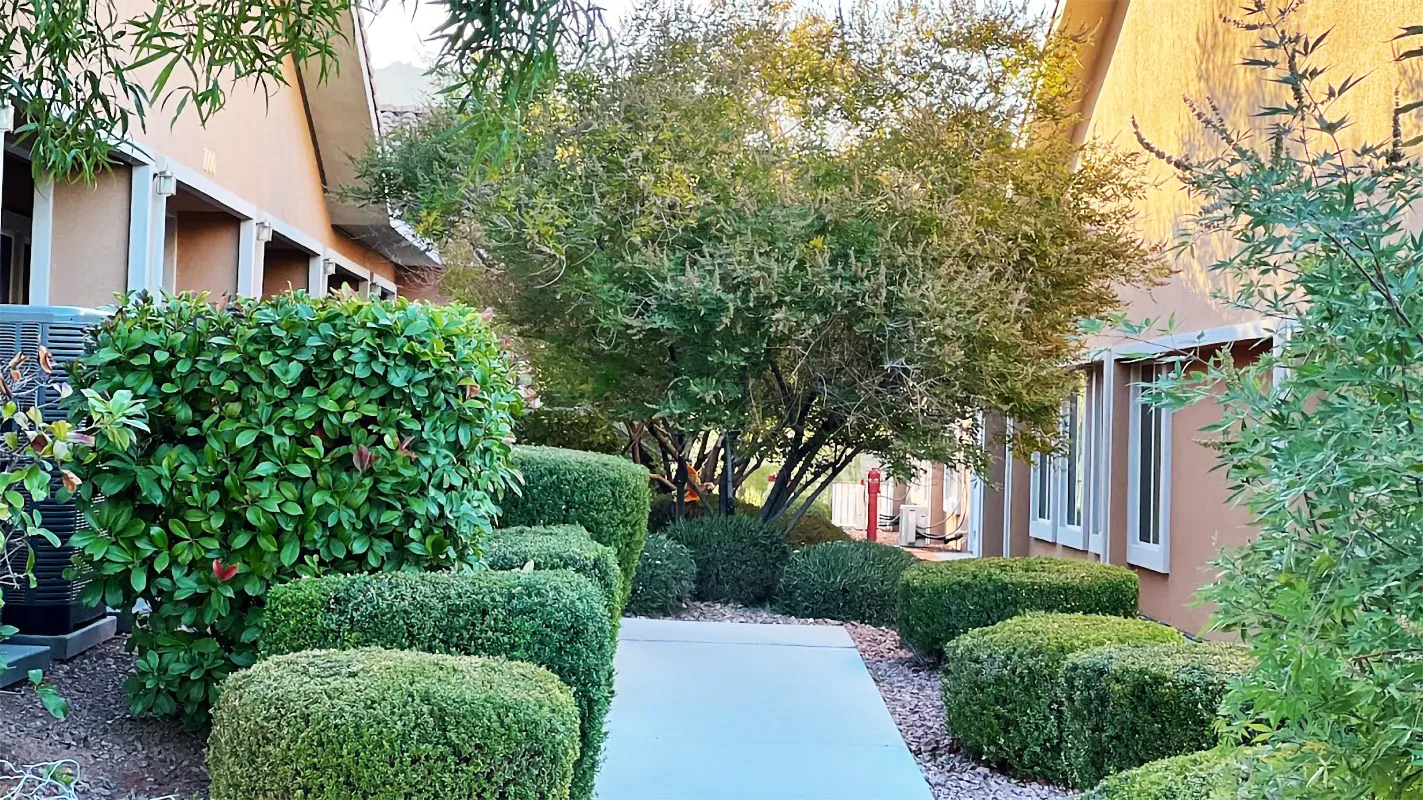
When a transfer to residential memory care ends up being required, programs that invite trial days or brief respite remains produce gentler transitions. Familiar faces at move-in minimize distress. Some communities dispatch a caregiver to shadow throughout the first week, bridging new routines with patterns from home.
When the fit is not perfect
Perfect positioning is uncommon. A rural family may only have one memory care neighborhood within an hour's drive. A program that stands out at engagement may struggle with complex medical needs. Budgets add genuine constraints. Even within limitations, nuance helps.
If the only close-by community fights with cultural food choices, think about pre-arranged family meals when a week, recipe sharing, and a small resident kitchen with labeled favorites. If language matching is spotty, recruit a bilingual volunteer from a regional church or high school to visit throughout peak confusion times. If staffing ratios feel tight, inquire about essential hours when extra assistance can be scheduled and document the plan.
Sometimes a neighborhood improves. I worked with a home that had high turnover and a stiff dining schedule. After a series of household conferences and leadership modifications, they opened a flexible breakfast window, supported a resident-run morning coffee club, and restructured tasks so that the same two aides regularly covered the same hallway. Six months later on, fall rates were down 20 percent, and households were not getting their loved ones to "give them a break" as typically. Culture shifted due to the fact that people demanded it and leaders responded.
Costs, coverage, and monetary judgment calls
Costs differ by state and level of care. In lots of regions, monthly rates for residential memory care variety from 4,000 to 9,000 dollars, with greater costs for included support like two-person transfers or insulin management. Home care frequently runs 28 to 45 dollars per hour, more in city areas, with overnight rates that can extend a spending plan rapidly if 24-hour protection is required. Adult day programs are typically 70 to 150 dollars per day, often with sliding scales.
Medicare does not spend for long-lasting custodial care, whether in the house or in a residence. It does cover medical services, hospice, and some home health if competent needs exist. Medicaid might money memory care or in-home assistance through waivers, however eligibility and waitlists differ by state. Long-lasting care insurance coverage can assist if the policy is active and advantages are not tired. Veterans and surviving partners ought to inquire about Help and Participation benefits.
When cash is tight, I counsel families to believe in phases. Use respite care tactically after hospitalizations or during caregiver health problem, not simply when overwhelmed. Prioritize coverage during high-risk times of day, such as early mornings and late afternoons, and count on household or volunteer support during steadier hours. Select a neighborhood that allows aging in place to prevent pricey and disruptive second moves. Get whatever about additional charges in composing, from incontinence products to transportation.
Measuring whether culture and care are working
After move-in, households often stress that they missed out on something. You can evaluate fit with a few useful metrics over the very first 6 to 8 weeks.
Watch weight patterns and appetite. A small dip during transition is common. Continuous weight-loss is not. Track sleep by asking the night staff the number of hours your loved one generally gets and whether they wake distressed. Note falls and what changed later. One fall in a brand-new environment may be bad luck. Two or 3 recommend mismatched regimens or inadequate supervision.
Ask for habits logs, not to police personnel, however to understand patterns. If afternoon pacing spikes on days without outside time, that is a fixable cue. If confusion aggravates right after showers, change the schedule, water temperature, or the individual helping. Person-centered groups welcome this detective work. They see family insights as vital, not interference.
Quality likewise shows in the intangibles. Does your loved one seek out particular employee? Do they greet you with curiosity rather than panic? Are their clothes tidy and mended, their glasses without smudges, their hair combed the way they constantly liked it? These small self-respects typically forecast the huge outcomes.
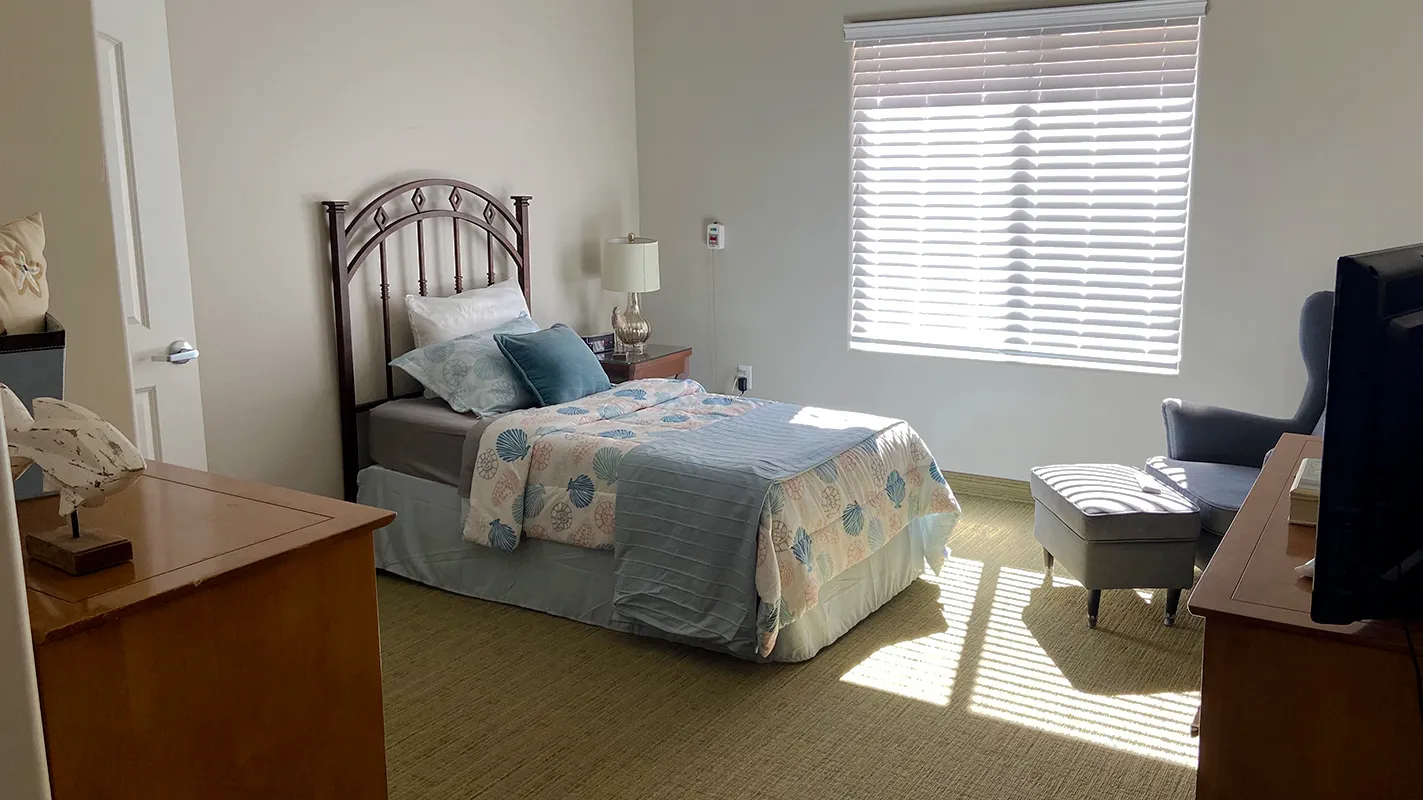
Two vignettes that explain the stakes
A retired Navy machinist and his child explored 3 neighborhoods. The shiniest one highlighted a theater space and aromatherapy. The 2nd, smaller by half, smelled like soup and lemon oil. During the visit, a resident who used a ball cap kept circling the hall, saluting a portrait of a ship. A caregiver gently saluted back each time with a smile. The machinist noticed. He destroyed in the parking area and stated, "They speak my language." 6 months later on, his daughter reported fewer outbursts and more contented afternoons seeing black-and-white war documentaries with a staff member who asked him to teach her the knots he as soon as tied on deck.
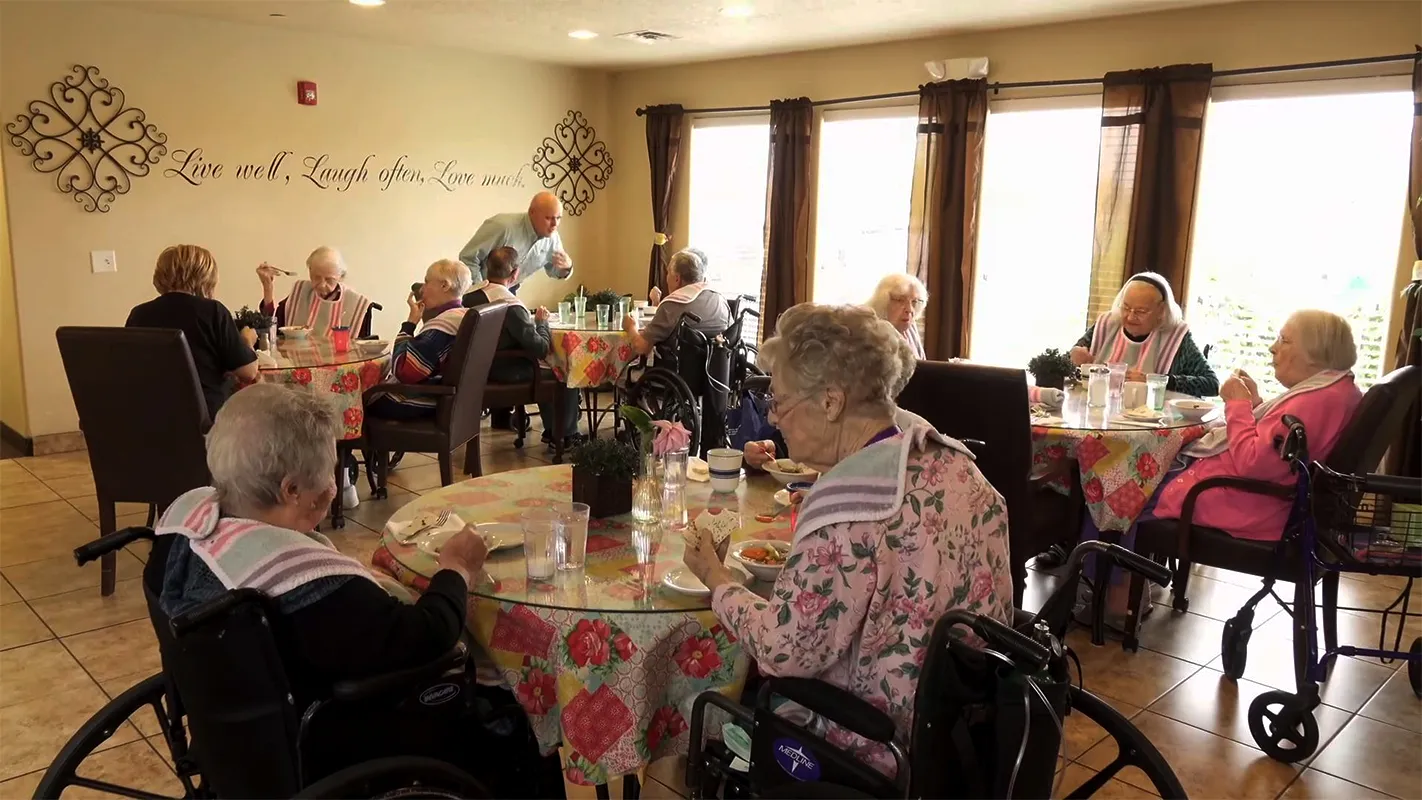
A various case included a retired professor who prided himself on official dress and dispute. He focused on appropriate grammar and resented being directed. His very first positioning paired him with a sweet, chatty assistant who utilized pet names and touched his shoulder throughout conversation. He bristled, whacked, and threatened to call the dean. Absolutely nothing worked until the group swapped tasks. A reserved caretaker who addressed him as "Professor Grant," asked approval before every job, and narrated actions in neutral language developed trust within a week. One tailored shift in culture reduced months of struggle.
Preparing for a relocation and forming the culture from day one
Families frequently focus on packing lists and paperwork. Those matter, but culture begins with the handoff. The more information you provide about identity, rhythms, and nonnegotiables, the more readily a team can line up care. Bring a short life story, not a novel. Include functions, regimens, and activates. Deal photos that reveal the person at midlife in settings that mattered to them, not just current pictures at vacations. Those images assist staff see the whole person and speak to them with respect.
A simple, five-step transition plan can minimize early friction:
- Write a one-page "About Me" that covers preferred foods, day-to-day schedule, hobbies, profession highlights, spiritual practices, languages, and sensitivities. Keep it specific.
- Deliver two or three meaningful things, such as a quilt, a work hat, or a cookbook, and position them where the person will experience them naturally.
- Share a tailored music playlist and a short list of relaxing phrases or jokes that staff can use throughout care.
- Coordinate arrival for a time of day when your loved one generally works best, and stay long enough to anchor them, but not so long that the group can not establish brand-new routines.
- Schedule a check-in with the nurse and lead assistant at 72 hours, 2 weeks, and six weeks to review what is working and what requires adjusting.
You will not get whatever right on day one. Person-centered care is a practice, not a product. The goal is to keep adjusting till the person's days feel familiar, safe, and, when possible, meaningful.
Final thoughts from the field
The finest dementia care programs I have seen do not depend on charm or slogans. They hum with peaceful competence. They set practical expectations without sugarcoating difficult days. They welcome households to partner without outsourcing all duty. They treat respite care as vital upkeep, not failure. And they hold a positive humility about the work, knowing that even skilled teams get surprised by a brand-new behavior at 2 a.m.
Cultural fit is not a luxury. It is the soil in which medical care grows. Whether you select home assistance, adult day services, respite care, or a residential memory care neighborhood, demand a match with your loved one's history and values. Ask to see that culture in action. Help staff see the individual you understand. The reward is not just fewer crises. It is a much better life lived in the middle of amnesia, for the person and for the family who likes them.
BeeHive Homes of Henderson provides assisted living care
BeeHive Homes of Henderson provides memory care services
BeeHive Homes of Henderson provides respite care services
BeeHive Homes of Henderson supports assistance with bathing and grooming
BeeHive Homes of Henderson offers private bedrooms with private bathrooms
BeeHive Homes of Henderson provides medication monitoring and documentation
BeeHive Homes of Henderson serves dietitian-approved meals
BeeHive Homes of Henderson provides housekeeping services
BeeHive Homes of Henderson provides laundry services
BeeHive Homes of Henderson offers community dining and social engagement activities
BeeHive Homes of Henderson features life enrichment activities
BeeHive Homes of Henderson supports personal care assistance during meals and daily routines
BeeHive Homes of Henderson promotes frequent physical and mental exercise opportunities
BeeHive Homes of Henderson provides a home-like residential environment
BeeHive Homes of Henderson creates customized care plans as residents’ needs change
BeeHive Homes of Henderson assesses individual resident care needs
BeeHive Homes of Henderson accepts private pay and long-term care insurance
BeeHive Homes of Henderson assists qualified veterans with Aid and Attendance benefits
BeeHive Homes of Henderson encourages meaningful resident-to-staff relationships
BeeHive Homes of Henderson delivers compassionate, attentive senior care focused on dignity and comfort
BeeHive Homes of Henderson has a phone number of (702) 551-0265
BeeHive Homes of Henderson has an address of 1000 Greenway Rd, Henderson, NV 89002
BeeHive Homes of Henderson has a website https://beehivehomes.com/locations/henderson/
BeeHive Homes of Henderson has Google Maps listing https://maps.app.goo.gl/qpZ3TKgbxCu1MVSh8
BeeHive Homes of Henderson has Instagram page https://www.instagram.com/beehivehomeshenderson/
BeeHive Homes of Henderson has an YouTube page https://www.youtube.com/@hamiltonshives4468
BeeHive Homes of Henderson won Top Assisted Living Homes 2025
BeeHive Homes of Henderson earned Best Customer Service Award 2024
BeeHive Homes of Henderson placed 1st for Senior Living Communities 2025
People Also Ask about BeeHive Homes of Henderson
What is BeeHive Homes of Henderson Living monthly room rate?
Our base rate is $4,700 per month for assisted living and $5,700 per month for memory care plus a one-time community fee of $2,500. We do an assessment of each resident's needs prior to move-in, so each resident's rate may be higher. These prices fall into three tiers based on resident needs and range from $4,700/month to $7,300/month. However, after we do the assessment and quote a price, there are no add-ons or hidden fees
Does Medicare and Medicaid pay for a stay at Bee Hive Homes?
Medicare pays for hospital and nursing home stays, but does not pay for assisted living. Some assisted living facilities are Medicaid providers but we are not. We do accept private pay, long-term care insurance, and we can assist qualified Veterans with approval for the Aid and Attendance program
Do we have a nurse on staff?
We do have a nurse on contract who is available as a resource to our staff but our residents' needs do not require a nurse on-site. We always have trained caregivers in the home and awake around the clock
What can you tell me about the food at Bee Hive?
You have to smell it and taste it to believe it! We use dietitian-approved meals with alternates available for flexibility, and we can accommodate needs for different textures and therapeutic diets. We have found that most physicians are happy to relax diet restrictions without any negative effect on our residents
Do we allow pets?
We do allow small pets as long as the resident is able to care for them. State regulations also require that we have evidence of current immunizations for any required shots
Where is BeeHive Homes of Henderson located?
BeeHive Homes of Henderson is conveniently located at 1000 Greenway Rd, Henderson, NV 89002. You can easily find directions on Google Maps or call at (702) 551-0265 Monday through Sunday 9:00am to 5:00pm
How can I contact BeeHive Homes of Henderson?
You can contact BeeHive Homes of Henderson by phone at: (702) 551-0265, visit their website at https://beehivehomes.com/locations/henderson/ or connect on social media via Instagram or Facebook
You might take a short drive to the Shan-Gri-La Prehistoric Park (aka the Dinosaur House). Shan Gri La Prehistoric Park provides a unique local attraction where families supporting loved ones through Assisted living memory care senior care elderly care and respite care can enjoy a memorable outing together.
❧